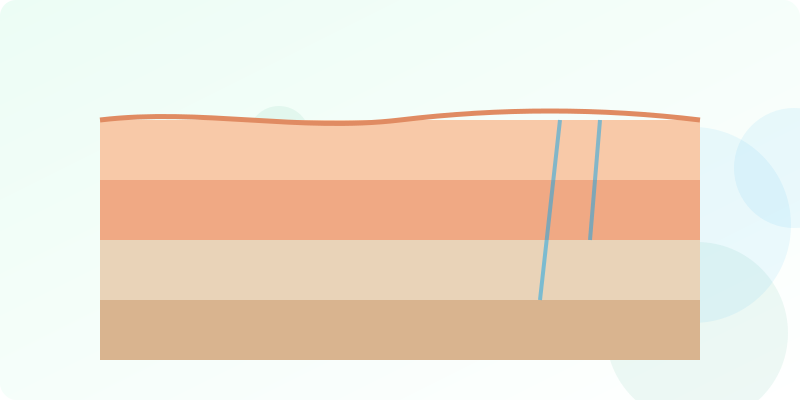
Burns can affect anyone, but older adults face particular risks. Skin becomes thinner with age, sensation in the hands and feet may be reduced, and reaction times can slow. A burn that would be minor in a younger adult can be deeper and slower to heal in later life. Understanding these risks helps older people and their families prevent burns and respond well if one happens.
Why Older Adults Are More Vulnerable
- Thinner skin. Aging skin has a thinner outer layer and less fat beneath, so heat can reach deeper tissue more quickly.
- Reduced sensation. Conditions such as diabetes or nerve damage can make it harder to feel heat or pain, so a person may not notice a burn developing.
- Slower movement. Reduced mobility, balance problems or arthritis can make it harder to move away from a heat source quickly.
- Memory changes. Forgetfulness can lead to pans left on the stove or heaters left on.
- Slower healing. Healing tends to take longer, and other health conditions can raise the risk of infection and complications.
Common Causes
Hot Water
Scalds from bath or shower water are a well-known risk, especially if a person falls or cannot get out of the bath easily. Hot drinks spilled while sitting are another common cause.
Heating Pads and Hot-Water Bottles
Low-level heat applied for a long time can cause a deep burn without much warning, particularly in people with reduced sensation. Heating pads used during sleep, and hot-water bottles that are overfilled, old or held directly against the skin, are frequent culprits.
Cooking
Loose sleeves catching fire over a gas flame, spills from heavy pans and burns from oven racks all occur in the kitchen.
Heaters and Fires
Sitting too close to a space heater or open fire can cause burns to the legs. Clothing or bedding near heaters can catch fire.
Smoking
Smoking, particularly in bed or near medical oxygen, is a serious fire and burn risk.
First Aid for a Burn
- Stop the burning and move away from the source of heat, if it is safe to do so.
- Remove jewelry and clothing near the burn, unless they are stuck to the skin.
- Cool the burn under cool running water for about 20 minutes. Do not use ice, butter or toothpaste.
- Keep the rest of the body warm. Older adults can become chilled quickly.
- Cover the burn loosely with cling film or a clean, non-fluffy dressing.
- Use over-the-counter pain relief only as directed on the label or by a pharmacist, especially if the person takes other medicines.
Because burns tend to be more serious in later life, it is sensible for an older adult to have any burn other than a very small, superficial one checked by a health professional. Call your local emergency number for large or deep burns, burns to the face, hands, feet, genitals or joints that are more than minor, electrical or chemical burns, or any breathing difficulty. Our guide to burn severity explains how burns are classified.
Making the Home Safer
- Ask a qualified plumber about a thermostatic mixing valve to limit hot water temperature.
- Run cold water first when filling a bath, and check the temperature before getting in.
- Use a heating pad with an automatic shut-off, follow the manufacturer's instructions, and never sleep on or with one switched on.
- Fill hot-water bottles with hot, not boiling, water, use a cover, and replace old or worn bottles.
- Keep space heaters away from furniture, bedding and curtains, and do not sit too close.
- Wear close-fitting sleeves when cooking, and consider timers or automatic shut-off devices for the stove.
- Install smoke alarms and test them regularly.
- Never smoke in bed or anywhere near medical oxygen.
Supporting Healing
Follow the wound care advice you are given, keep dressings clean and dry, and attend follow-up appointments. Watch for signs of infection, such as increasing redness, swelling, pus or fever, and report them promptly. Good nutrition and fluids support healing. See our article on burn wound care at home for more on dressings.
Key Takeaways
- Thinner skin and reduced sensation make burns deeper and slower to heal in later life.
- Hot water, heating pads, hot-water bottles, cooking and heaters are common causes.
- Cool burns under running water for about 20 minutes, keep the person warm and seek medical advice.
- Simple home changes can prevent many burns.
Educational information only, not medical advice. Always follow the advice of a qualified healthcare professional; in an emergency call your local emergency number.