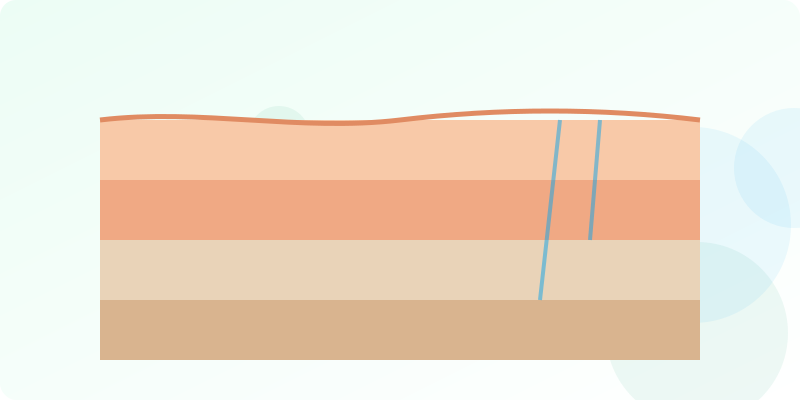
Scalds are burns caused by hot liquids or steam. Babies and toddlers are especially vulnerable: their skin is thinner than an adult's, so hot liquid can cause a deeper burn more quickly, and they are curious, fast and unaware of danger. The good news is that most scalds happen in predictable ways, which means simple changes at home can prevent many of them.
Why Young Children Are at Particular Risk
A young child's skin burns at lower temperatures and in less time than adult skin. A small amount of liquid also covers a larger share of a small body. Children reach upward, pull on things that dangle and climb, so objects that seem out of the way to an adult may be within reach.
Many scalds happen during ordinary moments: a parent holding a hot drink while carrying a child, a toddler pulling a tablecloth, or a child turning on a hot tap in the bath.
Hot Drinks
- Never hold a hot drink while holding or feeding a baby.
- Put hot drinks well away from the edge of tables and counters, out of a child's reach.
- Avoid tablecloths and placemats that a child can pull while there are hot drinks on the table.
- Use a cup with a lid when moving around the home with a hot drink.
- Do not pass hot drinks over the heads of children.
A cup of tea or coffee can still scald a child some time after it was made, so treat any recently poured drink as hot.
Bath Time
- Run the cold water first, then add hot, and mix the water well.
- Check the temperature with your elbow or a bath thermometer before putting a child in.
- Stay with young children in the bath at all times. Never leave them alone, even briefly.
- Seat children facing away from the taps so they cannot turn on the hot tap.
- Ask a qualified plumber about a thermostatic mixing valve or lowering the hot water temperature where appropriate.
The Kitchen
- Use the back burners when possible and turn pan handles toward the back of the stove.
- Keep kettles and their cords away from the counter edge. A cordless kettle or a short coiled cord reduces the risk of a child pulling it down.
- Keep young children out of the kitchen while cooking, or in a safe place such as a high chair away from the stove.
- Take care with microwaved food and drinks, which can heat unevenly. Stir and test before giving them to a child.
- Do not heat baby bottles in the microwave. Warm them in a container of warm water and test a few drops on your inner wrist.
Other Sources of Steam and Hot Liquid
Steam from kettles, rice cookers, pressure cookers and humidifiers can burn. Keep these appliances out of reach and keep children away while they are in use. Hot-water bottles and instant noodle cups are also common causes of scalds in children. Our article on burn wound care at home covers what to do after minor burns.
If a Scald Happens
- Stop the burning. Move the child away from the source and remove any clothing or diaper soaked in hot liquid, unless it is stuck to the skin. Remove jewelry near the area.
- Cool the burn. Hold the burned area under cool running water for about 20 minutes. Do not use ice, iced water, butter, toothpaste or other home remedies.
- Keep the child warm. Cool only the burned area and keep the rest of the child covered. Young children can lose body heat quickly.
- Cover the burn. Use cling film laid loosely over the burn (not wrapped tightly) or a clean, non-fluffy dressing.
- Get help. Seek medical advice for any burn in a baby or young child. Call your local emergency number for large burns, burns to the face, hands, feet, genitals or joints, burns that look white, brown or charred, or if the child seems unwell or is having trouble breathing.
Do not burst blisters. Pain relief should only be given as directed on the label or by a pharmacist or doctor, using a product suitable for the child's age.
Key Takeaways
- Never hold a hot drink while holding a child, and keep hot things far from table and counter edges.
- Run cold water first, test bath water and never leave young children alone in the bath.
- Keep children away from the stove, kettles and steam.
- If a scald happens, cool it under running water for about 20 minutes, cover it and get medical advice.
Educational information only, not medical advice. Always follow the advice of a qualified healthcare professional; in an emergency call your local emergency number.