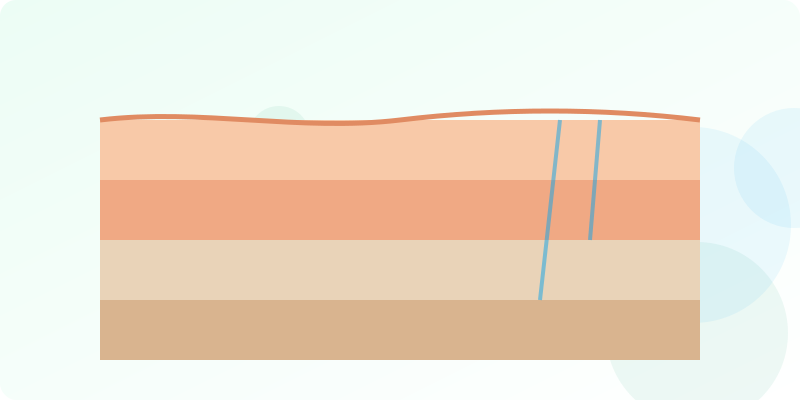
Sunburn is a burn caused by ultraviolet (UV) radiation, mostly from the sun but also from tanning beds. Most sunburns are superficial and heal on their own within days, but a bad sunburn can blister, cover a large area and leave a person feeling genuinely unwell. Knowing how to care for it, and when it is more than a home-care problem, makes recovery easier and safer.
What Happens to Sunburned Skin
UV radiation damages cells in the outer layers of the skin. The body responds with inflammation: blood vessels widen, the skin turns red, feels hot and becomes tender. Redness and pain often build for several hours after sun exposure, which is why a sunburn can seem mild at the beach and painful by evening.
Most sunburns are similar to a superficial (first-degree) burn. A more severe sunburn can damage deeper layers and cause blisters, which places it closer to a superficial partial-thickness (second-degree) burn. Our guide to burn severity explains these categories in more detail.
First Steps When You Notice a Sunburn
- Get out of the sun. Move indoors or into shade straight away. Further exposure makes the burn worse.
- Cool the skin. A cool (not ice-cold) shower or bath, or cool damp cloths, can ease heat and discomfort. Do not put ice directly on the skin.
- Drink water. Sunburn draws fluid toward the skin surface, and time in the sun often means sweating. Sip water regularly.
- Moisturize gently. A plain, fragrance-free moisturizer or an aloe-based gel applied to cooled skin may feel soothing. Avoid heavy greasy products such as butter or petroleum jelly on fresh, hot skin, as they can hold in heat.
- Consider pain relief. Over-the-counter pain relief can help with discomfort. Use it as directed on the label or by a pharmacist.
Caring for Sunburn Over the Next Few Days
Wear loose, soft clothing that does not rub. Keep the burned area out of the sun completely until it has healed, and cover it with clothing when you do go outside.
If blisters form, leave them intact. The blister roof protects the raw skin beneath from infection. If a blister breaks on its own, gently wash the area with mild soap and water and cover it with a clean, non-stick dressing.
Peeling usually starts a few days later. Resist the urge to pull off loose skin. Let it come away naturally and keep moisturizing. Itching during healing is common; cool compresses and moisturizer may help.
Avoid products containing local anesthetics or strong fragrances unless a pharmacist or doctor has suggested them, since some people react to these ingredients on damaged skin.
When Sunburn Needs Medical Attention
Seek medical advice promptly if any of the following apply:
- Blistering covers a large area of the body.
- The person is a baby or young child with sunburn, especially with blisters or fever.
- There is fever, chills, headache, confusion, nausea, vomiting or dizziness.
- The person seems very drowsy, is not passing much urine, or shows other signs of dehydration.
- Pain is severe and not controlled by simple measures.
- There are signs of infection later on, such as spreading redness, increasing swelling, pus or red streaks.
Sunburn can occur alongside heat exhaustion or heatstroke. Heatstroke is a medical emergency. If someone is confused, has a very high body temperature, stops sweating, has a seizure or collapses, call your local emergency number and start cooling them while you wait.
Who Is at Higher Risk
Anyone can burn, but some people burn faster or more severely. These include people with fair skin, light hair or many moles, babies and young children, and people taking certain medicines that increase sensitivity to sunlight. If you take regular medication, ask a pharmacist whether it affects how your skin reacts to the sun.
Sun strength is also higher near midday, at higher altitudes and near reflective surfaces such as water, sand and snow. Cloud cover does not block all UV radiation.
Preventing the Next Sunburn
- Seek shade during the middle of the day.
- Cover up with clothing, a wide-brimmed hat and sunglasses.
- Use a broad-spectrum sunscreen with a high protection factor, apply it generously before going out and reapply regularly, especially after swimming or sweating.
- Keep babies out of direct sun and follow your doctor's advice on sun protection for infants.
- Avoid tanning beds.
Repeated sunburn damages skin over time and raises the long-term risk of skin cancer, so prevention matters as much as treatment.
Key Takeaways
- Get out of the sun, cool the skin gently and drink water.
- Leave blisters intact and let peeling skin come away on its own.
- Get medical advice for widespread blistering, sunburn in young children, or signs of feeling unwell.
- Confusion, collapse or a very high temperature may mean heatstroke: call your local emergency number.
Educational information only, not medical advice. Always follow the advice of a qualified healthcare professional; in an emergency call your local emergency number.